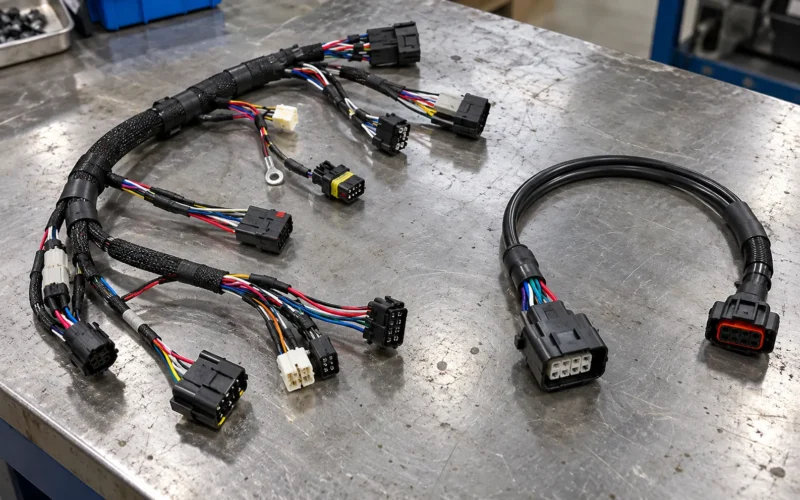
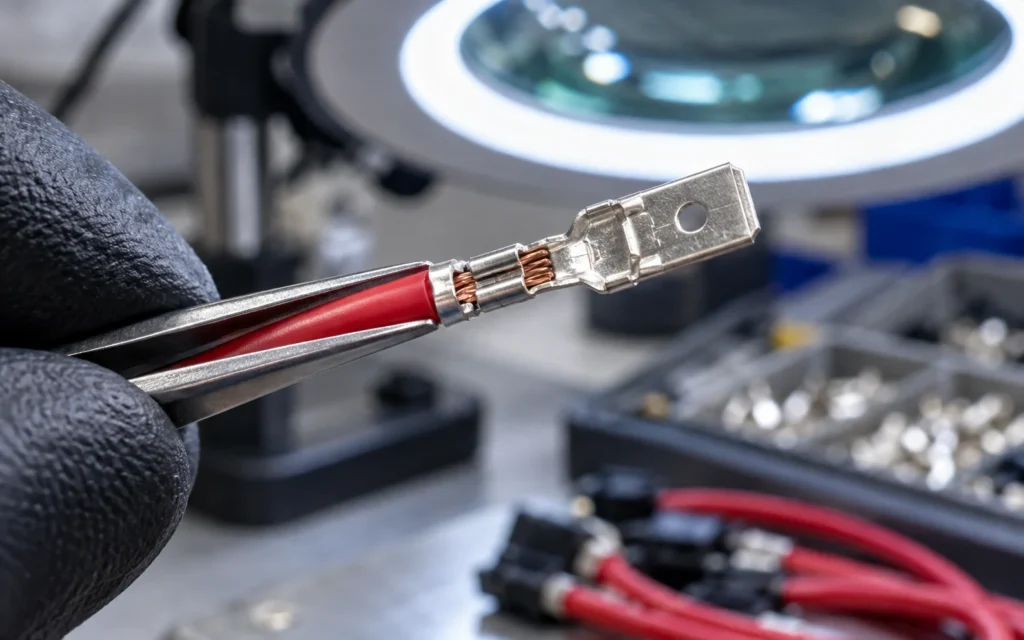
Two harnesses can be built from identical drawings and still differ in quality. One crimp is centered and fully seated; another is close but not quite. One wire is dressed cleanly; another is under stress at the connector. A workmanship standard exists to remove that ambiguity by defining, in writing, what acceptable looks like.
What a workmanship standard does
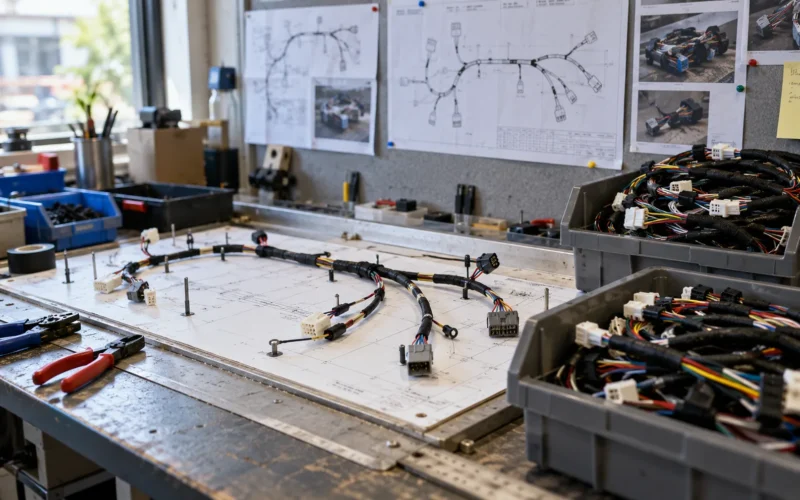
A drawing tells the builder what to make. A workmanship standard tells the builder and the inspector how well it has to be made. It covers the details a drawing cannot show: how a stripped conductor should look, how much insulation gap is acceptable, how a splice should be formed, how sleeving should be applied and how a finished harness should be routed and secured.
The standard many programs reference
For cable and wire harness assemblies, one of the most widely referenced documents is IPC/WHMA-A-620, which sets out requirements and acceptance criteria for these products. Customers often call it out directly on drawings or purchase orders. Other programs use a customer-specific workmanship document instead, which is perfectly valid as long as it is clear and both sides have the same revision.
Understanding product classes
Industry standards typically define classes based on how critical the end product is:
- Class 1: general products. Function is the main requirement, and cosmetic imperfections are tolerated.
- Class 2: dedicated service products. Continued performance and extended life are expected, and uninterrupted service is desirable but not critical.
- Class 3: high-performance products. Continued high performance is essential, downtime is unacceptable and the environment may be harsh.
Higher classes are tighter on what counts as acceptable, which usually means more inspection time and, in some cases, more rejected units. That is why specifying a class higher than you need can add cost without adding value, while specifying one lower than you need can put reliability at risk.
What gets inspected
Workmanship criteria touch nearly every step of a build. Common inspection points include:
- Wire preparation: clean strip, no nicked or cut strands, correct strip length
- Crimping: correct terminal for the wire, proper wire and insulation seating, consistent crimp geometry, and pull-force testing where required
- Soldering and splicing: proper joint formation and no damage to surrounding insulation
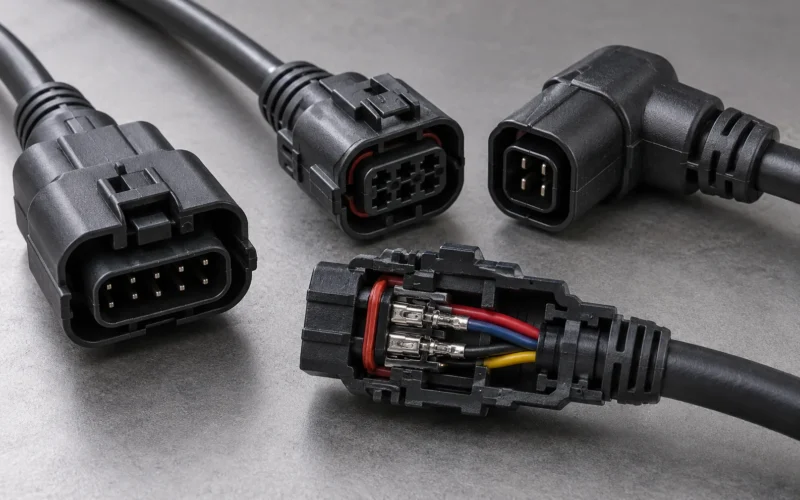
- Connector assembly: terminals fully seated and locked, seals and backshells installed correctly
- Routing and securing: appropriate bend radius, no stress on terminations, correct tie and clamp spacing
- Marking: legible, correctly placed labels
Standards and testing work together
Visual inspection cannot see everything. That is why workmanship criteria are paired with electrical testing. Continuity testing confirms every circuit is wired correctly, and hipot testing checks that insulation holds up under voltage. Pull testing verifies that crimped terminations meet their strength targets. Together they catch problems that look fine to the eye and would only show up in the field.
Common misunderstandings
A workmanship standard is not a guarantee of design quality. It tells you the harness was built correctly to the drawing, not that the drawing is right. It also does not replace your own requirements: if your product needs a specific crimp height, torque value or test voltage, those still belong on the drawing. Finally, “meets the standard” only means something when everyone agrees which revision and class are in force.
Name the workmanship standard, its revision and the class in the drawing notes. If you use a custom document, attach it to the quote request.
How to choose the right level
Start with the consequences of failure. A consumer appliance harness and a harness inside a medical device or an aerospace assembly have very different tolerance for failure, and the class should reflect that. If you are unsure, talk to your manufacturer early. We can help you understand what each level means for build process, testing and cost so the requirement matches the risk.
When you send a request for quote, tell us which standard and class apply, or describe the application and we will help you work it out.